
Golf Leaf Removal Services
Choose our leaf removal service for a hassle-free experience—our expert team ensures your property stays clean, safe, and beautiful all season long, saving you time and effort while enhancing your curb appeal.
Get a Free QuoteOur Golf Landscaping & Yard Care Services
When to Schedule Leaf Removal in Golf, IL – Seasonal Guide
In Golf, IL, the best time to schedule leaf removal is typically from mid-October through late November, when the majority of deciduous trees—such as those lining Briar Road and the shaded lots near the Metra tracks—have shed their leaves. The local climate, with its cool autumns and the first frosts often arriving in late October, means that waiting until most leaves have fallen ensures a thorough cleanup before winter sets in. However, it’s important to act before heavy snowfall or persistent rain, which can mat leaves to the ground and increase the risk of mold or turf damage.
Golf’s unique landscape, featuring mature oaks and maples, varied soil types, and pockets of dense shade, can influence the timing and frequency of leaf removal. Areas near the Glenview border or close to the Village Hall may experience more leaf accumulation due to tree density and prevailing winds. Additionally, municipal guidelines—such as the landscape waste collection schedule running from April 1 to November 30—should be factored into your planning. For more details on local services and regulations, visit the Village of Golf Official Website.
Local Factors to Consider for Leaf Removal in Golf
- Tree density and species (oaks, maples, and evergreens)
- Proximity to shaded areas and neighborhood landmarks
- Typical first frost and average precipitation patterns
- Soil drainage and risk of mold or turf disease
- Municipal landscape waste collection dates and restrictions
- Terrain variations, such as sloped yards or low-lying spots
- Local ordinances regarding curbside leaf disposal
Benefits of Leaf Removal in Golf
Enhanced Turf Health
Improved Playability
Reduced Disease Risk
Faster Course Recovery
Professional Appearance
Efficient Maintenance Solutions
Golf Leaf Removal Types

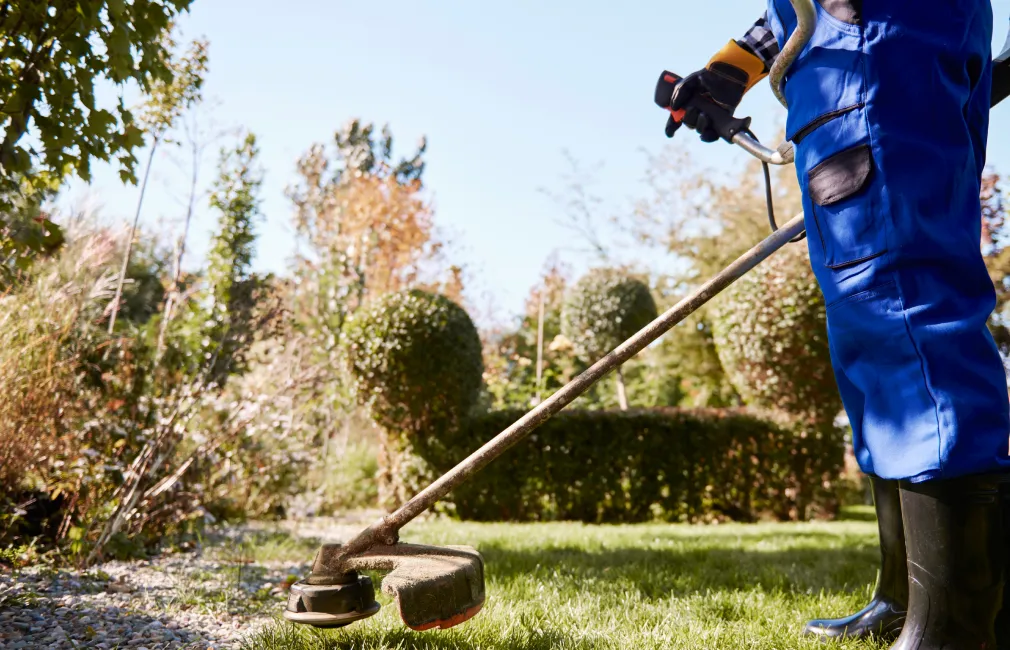
Manual Leaf Raking
-
Leaf Blower Clearing
-
Vacuum Collection
-
Mulching Mowers
-
Sweeper Machines
-
Turf Sweeping
-
Seasonal Cleanup Services
Our Leaf Removal Process
Site Evaluation
Debris Gathering
Leaf Collection
Final Cleanup
Why Choose Golf Landscape Services
-
Golf Homeowners Trust Us
-
Expert Turf Management
-
Reliable Maintenance Scheduling
-
Competitive Pricing
-
Professional Team
-
Satisfaction Guarantee
-
Personalized Service
Contact Golf's Department of Public Works for Seasonal Leaf Collection & Curbside Pickup Schedules
Golf, Illinois, provides a structured municipal leaf collection program each fall to help residents manage seasonal leaf drop efficiently and in compliance with state regulations. The collection season typically runs from mid-October through early December, with neighborhood-specific pickup days scheduled to accommodate peak leaf fall. Residents are required to place leaves curbside by 7:00 AM on their designated collection day, ensuring piles are at least three feet from storm drains, fire hydrants, and parked vehicles. Golf allows both loose leaf collection and the use of biodegradable paper bags, in accordance with the Illinois yard waste landfill ban. For bulk disposal, residents may utilize designated transfer stations or recycling centers, which require a permit and accept leaves during posted operating hours. Brush and small branch collection is also available, with specific guidelines for bundling and placement. For detailed schedules, collection maps, and permit information, contact:
Golf Department of Public Works
1 Briar Road, Golf, IL 60029
Phone: (847) 998-8852
Official Website: Public Works / Village Services
Understanding Leaf Accumulation Impact on Golf's Heavy Clay Prairie Soils & Lawn Health
Golf is situated on heavy clay prairie soils, as identified by the USDA Web Soil Survey, which are known for poor drainage and slow decomposition rates. When leaves accumulate for more than two to three weeks, especially on these clay soils, turfgrass can quickly become suffocated due to reduced air exchange and moisture retention. This leads to anaerobic conditions, promoting fungal diseases and root rot. In compacted urban development soils, common in Golf's residential areas, damage can occur even faster. While leaves can be beneficial in naturalized garden beds, conservation buffer zones, and wooded areas—where they support wildlife and soil health—removal is essential on maintained lawns to prevent turf loss. Mulch-mowing is effective only when leaf coverage is light and soils are well-draining; otherwise, removal is necessary to protect lawn health.
Golf Environmental Compliance Guidelines for Leaf Disposal Near Protected Areas
Proper leaf disposal is critical near Golf's streams, wetlands, and conservation areas to protect sensitive habitats and comply with state and federal regulations. Buffer zones must be maintained along water bodies, with leaves retained in naturalized areas to support wildlife and natural nutrient cycling, but removed from maintained lawns to prevent nutrient runoff. Coordination with the Illinois Department of Natural Resources ensures that protected areas are managed appropriately. Residents should avoid piling leaves within buffer zones or near designated conservation sites, as improper disposal can disrupt local ecosystems and violate environmental guidelines. For questions about buffer management and protected area compliance, contact:
Golf Community Development Department
1 Briar Road, Golf, IL 60029
Phone: (847) 503-9008
Official Website: Community Development Department
Keep Leaves Out of Streets & Storm Drains: Golf's NPDES Stormwater Compliance Requirements
Golf participates in the Illinois EPA Municipal Separate Storm Sewer System (MS4) program, which mandates strict stormwater management practices to protect local water quality. Leaves left in streets or gutters can enter storm drains, leading to nutrient loading, oxygen depletion, and algae growth in receiving waters such as the North Branch of the Chicago River. Residents must keep leaves out of the street and use only approved curbside collection methods. The EPA NPDES and Clean Water Act require municipalities to enforce these practices to prevent organic matter pollution. Proper leaf management helps maintain compliance and protects aquatic ecosystems. For more information on stormwater compliance, contact:
Golf Environmental Programs
1 Briar Road, Golf, IL 60029
Phone: (847) 998-8852
Official Website: Environmental Programs
Golf's Implementation of Illinois Organic Waste Management Requirements for Fall Leaves
Illinois law prohibits the disposal of yard waste, including leaves, in landfills. Golf enforces this through its municipal collection program, requiring residents to use biodegradable paper bags or participate in loose leaf collection, depending on local policy. Educational materials are distributed each fall to inform residents about proper disposal methods, composting options, and setback requirements from property lines and water bodies. The village also provides information on composting best practices and alternative disposal sites. Compliance with the Illinois yard waste landfill ban is essential for environmental stewardship and legal adherence. For state guidelines and additional resources, visit the Illinois Environmental Protection Agency.
Optimal Leaf Removal Timing for Golf's Tree Species & Illinois Fall Weather Patterns
Golf's tree canopy features a mix of sugar maples, Norway maples, ash, oaks, elms, and honey locusts, each with distinct leaf drop patterns. Early October sees maples and ash begin to shed, followed by oaks, hickories, and elms through November, and bur oaks and American beech into December. The National Weather Service Chicago provides up-to-date forecasts to help residents plan removal after major drop events but before heavy rain or early snow, which can mat leaves and complicate collection. Multiple collection passes are recommended to accommodate staggered leaf fall and prevent lawn damage. Residents should monitor weather and tree conditions to optimize removal timing and protect turf health.
Post-Leaf Removal Lawn Recovery & Winter Preparation in Golf's Climate Zone
After leaf removal, residents should assess their lawns for thin or damaged areas, which may benefit from overseeding if completed before the first hard frost. Late-season fertilization, applied at recommended rates for northern Illinois, supports root development and winter hardiness. The final mowing should leave grass at 2.5 to 3 inches to protect crowns during winter. Clearing remaining debris and improving drainage—especially on clay soils—reduces the risk of disease and compaction. Planning for early spring recovery, including soil testing and aeration, helps lawns rebound after winter dormancy. For science-based lawn care guidance, consult the University of Illinois Extension or the University of Illinois Extension Plant Clinic.
What Neighborhoods Do We Serve Throughout Golf, IL?
Golf encompasses several distinct neighborhoods, each with unique leaf management challenges:
- Golf Club Estates: Mature oaks and maples create heavy leaf volume; clay soils and proximity to the North Branch require strict NPDES compliance.
- Briar Road Corridor: Dense tree canopy, compacted urban soils, and narrow lots necessitate careful curbside placement and frequent collection.
- Prairie View Area: Newer developments with mixed species and improved drainage, but open exposure to prairie winds can redistribute leaves.
- Golfview Park District: Adjacent to parklands and wetlands, requiring buffer zone management and coordination with conservation guidelines.
- Greenwood Avenue District: Historic homes with large lots, mature estates, and alley access, presenting logistical challenges for collection vehicles.
- Fairway Lane: Slope and elevation changes increase leaf movement and accumulation in low-lying areas, demanding extra attention to stormwater protection.
- Riverside Enclave: Close to river floodplains, with high environmental sensitivity and special restrictions on leaf disposal near water bodies.
Golf Municipal Ordinances for Leaf Blowing Equipment Operation & Noise Control
Golf enforces local ordinances regulating the operation of leaf blowers and other equipment to minimize noise and environmental impact. Equipment may typically be operated from 7:00 AM to 7:00 PM on weekdays and 8:00 AM to 6:00 PM on Saturdays, with restrictions on Sundays and holidays. Commercial services must be licensed, and all operators are required to comply with seasonal restrictions and noise limits. Residents should consult the Village Code or contact:
Golf Building Department
1 Briar Road, Golf, IL 60029
Phone: (847) 503-9008
Official Website: Building Department / Building Permits
For public health concerns related to leaf management, contact:
Cook County Department of Public Health
7556 Jackson Blvd, Forest Park, IL 60130
Phone: (708) 836-8600
Official Website: Cook County Department of Public Health
For additional information on federal and regional environmental requirements, visit the U.S. Environmental Protection Agency, Region 5.