
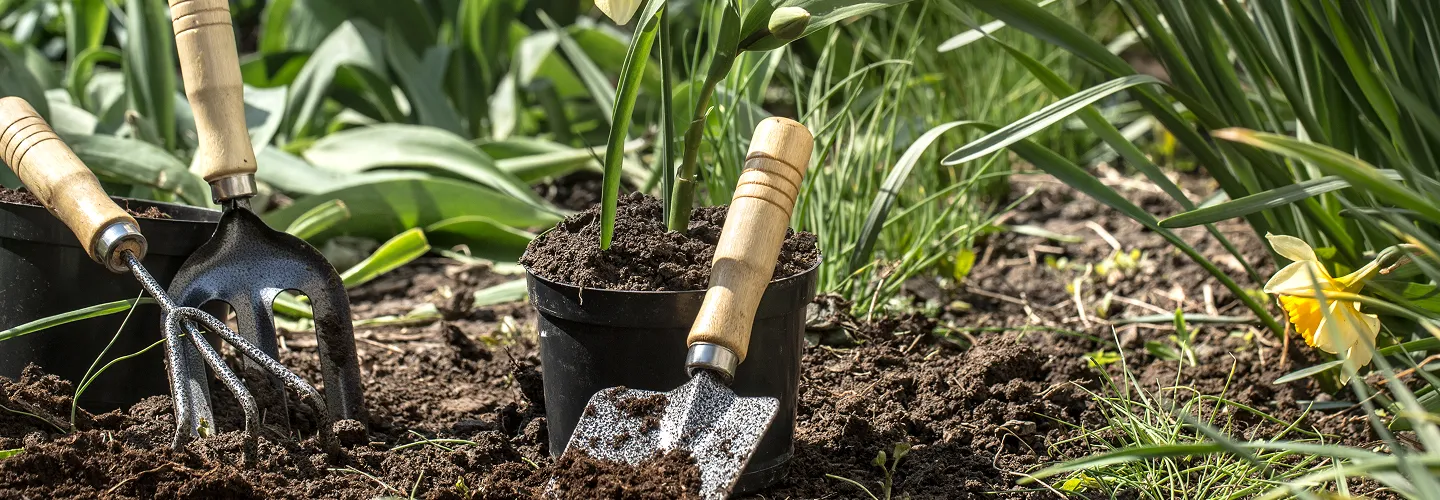
Golf Lawn Aeration Services
Choose our Lawn Aeration service for healthier, greener grass—our expert team uses professional equipment to ensure your lawn receives the nutrients, water, and oxygen it needs to thrive all season long.
Get a Free QuoteOur Golf Landscaping & Yard Care Services
When to Schedule Lawn Aeration in Golf, IL – Seasonal Guide
In Golf, IL, the best times to schedule lawn aeration are typically in early spring and early fall. These periods align with the region’s cool-season grass growth cycles and help lawns recover from the compacted soils common in neighborhoods like Briar Road and the shaded lots near the Metra tracks. Aerating during these windows allows grassroots to access vital nutrients and moisture, especially after the winter frost has lifted or before the first hard freeze in autumn.
Local environmental factors play a significant role in determining the optimal timing for aeration. Golf’s proximity to Glenview means shared soil characteristics—often clay-heavy and prone to compaction, especially in areas with mature tree canopies. Humidity levels, summer drought risk, and the village’s landscape waste collection schedule (April 1–November 30) should also be considered. For more information on local services and seasonal guidelines, visit the Village of Golf Official Website.
Local Factors to Consider for Lawn Aeration in Golf
- Tree density and shade coverage, especially near Golf’s wooded lots
- Soil type (clay soils are common and compact easily)
- Precipitation patterns and risk of summer drought
- Frost dates (typically late April and early November)
- Terrain and drainage, particularly in low-lying areas
- Municipal restrictions on landscape work and waste collection periods
Benefits of Lawn Aeration in Golf
Enhanced Turf Health
Improved Water Absorption
Stronger Root Growth
Reduced Soil Compaction
Better Nutrient Uptake
Increased Disease Resistance
Golf Lawn Aeration Types

Core Aeration
-
Solid Tine Aeration
-
Spike Aeration
-
Slicing Aeration
-
Liquid Aeration
-
Hydraulic Aeration
-
Deep Tine Aeration
Our Lawn Aeration Process
Site Evaluation
Preparation
Core Aeration
Cleanup
Post-Aeration Recommendations
Why Choose Golf Landscape Services
-
Golf Homeowners Trust Us
-
Expert Turf Management
-
Reliable Maintenance Scheduling
-
Competitive Pricing
-
Professional Team
-
Satisfaction Guarantee
-
Personalized Service
Contact Golf's Department of Public Works for Soil Core Disposal & Aeration Debris Management
Proper management of soil cores and aeration debris is essential for maintaining both healthy lawns and compliance with local regulations in Golf, Illinois. After core aeration, it is generally recommended to leave the soil plugs on the lawn, allowing them to naturally decompose over two to four weeks. This process returns valuable organic matter and nutrients to the soil, improving its structure and fertility. However, for residents who prefer to remove the debris, Golf participates in a municipal yard waste program that requires the use of biodegradable paper bags or loose collection, in accordance with the Illinois yard waste landfill ban. Timing is important—allowing cores to break down before heavy rain events helps prevent runoff and nutrient loss. For questions about yard waste collection schedules or proper disposal procedures, contact:
Golf Department of Public Works
1 Briar Road, Golf, IL 60029
Phone: (847) 998-8852
Official Website: Village of Golf Official Website
Understanding Soil Compaction in Golf's Prairie Clay & Glacial Till Soils
Golf, Illinois, is characterized by soils formed from glacial till and prairie deposits, with a predominance of heavy clay content as identified by the USDA Web Soil Survey. These soils, such as the Drummer and Elliott series, are known for their poor drainage and high compaction potential. The presence of loess (wind-blown silt) atop glacial till further influences soil structure, often resulting in dense, slow-draining layers. Urban development and foot traffic exacerbate compaction, making it difficult for water, air, and nutrients to penetrate. Signs that your property may need aeration include:
- Standing water after rain events
- Hard, compacted soil that resists shovel penetration
- Thinning grass or bare patches
- Moss or weed encroachment
- Heavy thatch buildup
- Poor drainage during Illinois storms
Because clay soils compact more readily than sandy soils, annual or even twice-yearly aeration is often necessary in Golf to maintain healthy turf.
Golf Environmental Compliance Guidelines for Core Aeration Near Protected Areas
When performing core aeration near Golf's parks, water bodies, or conservation areas, it is crucial to follow environmental compliance guidelines to protect sensitive habitats. The Illinois Environmental Protection Agency and Illinois Department of Natural Resources require buffer zones around streams, wetlands, and lakes to prevent sediment and debris from entering waterways. Erosion control measures, such as silt fencing or straw wattles, may be necessary during aeration operations, especially on sloped sites. Additionally, avoid aeration during wildlife breeding seasons (April through July) to protect ground-nesting birds. For site-specific guidance and to ensure compliance with local ordinances, contact:
Golf Community Development Department
1 Briar Road, Golf, IL 60029
Phone: (847) 503-9008
Official Website: Community Development Department
Golf's Implementation of Illinois Soil Health Regulations for Aeration Operations
Golf adheres to state and federal soil health regulations, including the Illinois Environmental Protection Act and the Clean Water Act. These laws mandate best management practices for soil disturbance, including core aeration. The village encourages residents to schedule aeration during optimal periods—late August through October for cool-season grasses—when soil moisture is adequate but not saturated. Overseeding after aeration with regionally appropriate grass species, as recommended by the University of Illinois Extension, helps restore turf density and resilience. For questions about permits or compliance, contact:
Golf Building Department
1 Briar Road, Golf, IL 60029
Phone: (847) 503-9008
Official Website: Building Department / Building Permits
Post-Aeration Stormwater Management in Compliance with Golf's NPDES Program
Effective stormwater management after aeration is vital to prevent soil erosion and protect water quality in Golf. The village participates in the EPA NPDES (National Pollutant Discharge Elimination System) program as part of the Illinois EPA's MS4 (Municipal Separate Storm Sewer System) initiative. Residents should avoid aerating immediately before heavy rain, as forecasted by the National Weather Service Chicago, to minimize runoff and sediment transport. Leaving soil cores on the lawn helps reduce erosion and improves infiltration. For properties near drainageways or storm sewers, additional precautions may be required. For more information on stormwater compliance, contact:
Golf Department of Public Works
1 Briar Road, Golf, IL 60029
Phone: (847) 998-8852
Official Website: Village of Golf Official Website
What Neighborhoods Do We Serve Throughout Golf, IL?
Golf, though a small village, features several distinct neighborhoods, each with unique soil and landscape management challenges:
- Historic Golf Estates: Characterized by mature trees and older homes, these areas have compacted clay soils from decades of foot traffic and root competition. Annual aeration is recommended, especially in shaded lawns.
- Briar Road Corridor: This central area experiences moderate vehicle and pedestrian traffic, with a mix of clay and silt loam soils. Overseeding after aeration is often needed due to thinning turf.
- Metra Vicinity: Near the train station, high foot traffic and parking compaction create dense, poorly draining soils. Multiple aerations per year may be necessary.
- Prairie View Subdivision: Newer developments here may have disturbed soils with construction compaction and less organic matter. Early and frequent aeration helps establish healthy turf.
- Golf Club Perimeter: Adjacent to the golf course, these properties often have sandy loam soils with better drainage but may require less frequent aeration. However, proximity to water features necessitates strict compliance with buffer zone regulations.
- Wooded North End: Dense tree cover leads to increased root competition and shade, requiring careful timing of aeration and overseeding to ensure turf recovery.
Each neighborhood's unique combination of soil type, traffic, and environmental factors influences the recommended aeration schedule and techniques.
Golf Municipal Ordinances for Core Aeration Equipment Operation & Noise Control
Golf enforces specific ordinances regarding the operation of lawn care equipment to minimize noise and disruption. According to local code, core aeration and similar activities are permitted between 7:00 AM and 7:00 PM on weekdays and 8:00 AM to 6:00 PM on Saturdays, with no work allowed on Sundays. Residents should always check the Village Code for updates and ensure that contractors comply with these regulations. For questions about equipment operation or to report violations, contact:
Golf Building Department
1 Briar Road, Golf, IL 60029
Phone: (847) 503-9008
Official Website: Building Department / Building Permits
Additional Resources for Golf Residents
For further guidance on soil health, aeration best practices, and plant diagnostics, consult these expert resources:
- USDA Web Soil Survey
- University of Illinois Extension
- University of Illinois Extension Plant Clinic
- U.S. Environmental Protection Agency, Region 5
Golf residents are encouraged to coordinate with local and state agencies to ensure their lawn care practices support both healthy turf and environmental stewardship.